


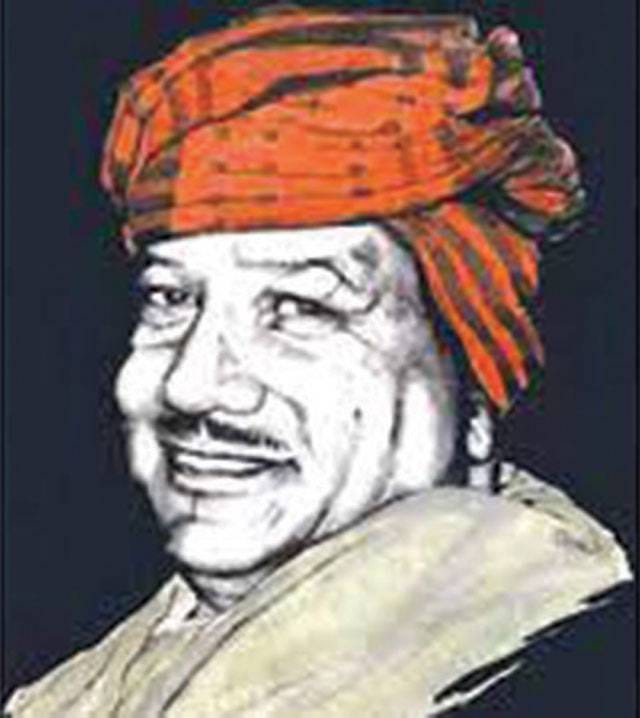
In the summer of 1972, the Lahore police entered a small room in the Taxali Gate neighbourhood and arrested its occupant on charges of terrorism. The occupant was Chiragh Deen, known across Punjab as Ustad Daman, born 3 September 1911, the son of a tailor, a man who had been reciting resistance poetry at public gatherings since before Partition and who had never in his life published a single collection of his verse. The charge was possession of a bomb. The bomb was planted. The government that ordered it was Zulfikar Ali Bhutto’s Pakistan Peoples Party. The year was 1972. The poem that prompted the arrest had been recited at a public gathering in Lahore days earlier, and it mocked Bhutto by name for flying to Shimla to sign an agreement with Indira Gandhi after having campaigned on the slogan that Pakistan would fight India for a thousand years. Daman had spent his life in that room. He refused to leave it even when Nehru had offered him asylum before Partition, when rioters burned his shop and killed his wife and daughter. He refused to leave it when Faiz Ahmad Faiz came to visit him weeks before Faiz’s own death in 1984 and found him ill on the floor. The police knew exactly where to find him.
