
The Ashes of Omid
The Humanitarian Cost of Escalation: The Airstrike on Kabul’s Omid Addiction Treatment Hospital
The recent intensification of hostilities between Pakistan and Afghanistan has crossed a devastating threshold, moving from border skirmishes to direct strikes on vital civilian infrastructure within the Afghan capital. This escalation marks a severe deterioration in regional stability and highlights a deeply troubling reality for the civilian population. The focus of the conflict has suddenly shifted to the heart of Kabul, where the consequences of these military actions are being felt by the most vulnerable segments of society.
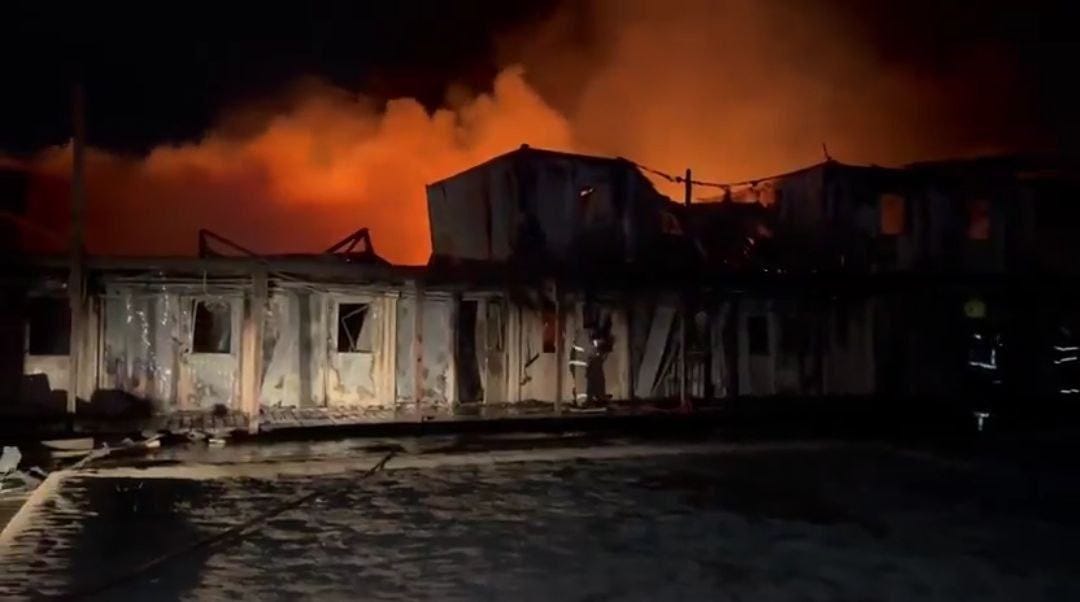
The focal point of this tragic escalation is the recent bombardment of the Omid Addiction Treatment Hospital in eastern Kabul. Operating as a 2,000-bed facility dedicated to rehabilitating individuals struggling with drug addiction, the hospital was a critical healthcare asset. The nighttime airstrike caused catastrophic damage to the compound. Large sections of the treatment center were completely destroyed. First responders and rescue teams were immediately deployed to combat the fires and begin the harrowing process of recovering victims from the wreckage.
The true human cost of the bombardment remains the subject of intense dispute, with starkly different narratives emerging from official channels and international media in the hours following the strike. Establishing a single factual record has proven difficult as the global community is forced to navigate several contradictory reports regarding the sheer scale of the tragedy at the Omid Addiction Treatment Hospital.
The most severe casualty figures have been issued by the Afghan deputy government spokesman. According to these updated statements, the death toll at the rehabilitation center has reached 400 individuals, with an additional 250 people sustaining serious injuries. Kabul maintains that the overwhelming majority of these victims were unarmed civilians and vulnerable patients who were confined to the medical center simply to seek help and recovery.
These staggering figures have been rapidly amplified across the global press. International broadcasters including Al Jazeera and the BBC have heavily featured these numbers in their frontline coverage, bringing the immense scale of the civilian casualties to the forefront of global attention. Similarly, American outlets like PBS, along with all other major news agencies and wire services citing the official death toll, have broadcasted the reports of 400 killed and 250 wounded. The widespread repetition of these specific numbers by leading news organizations has solidified the international perception of a massive humanitarian disaster, highlighting the absolute destruction of a 2,000 bed facility dedicated entirely to addiction recovery.
In the chaotic immediate aftermath of the explosion, preliminary reports provided by the Afghan Health Ministry offered a slightly different but equally devastating picture. Initial assessments from local health officials estimated the fatalities at over 200 people, noting that the sheer force of the strike left practically no part of the hospital untouched.
Conversely, the Pakistani government has categorically rejected both the casualty figures cited by Kabul and the subsequent reports broadcasted by PBS, the BBC, Al Jazeera, and the wider international media. Spokespeople for the administration in Islamabad completely deny that a civilian hospital or rehabilitation center was targeted. They firmly assert that their air force conducted highly careful precision operations aimed exclusively at militant equipment storage and terrorist support infrastructure. They state definitively that absolutely no collateral damage was inflicted on civilian populations.
Regardless of the deeply conflicting official numbers and the ongoing geopolitical friction, the absolute destruction of this center represents a catastrophic blow to the community. The loss of the facility removes a crucial support system for a profoundly marginalized population that is in desperate need of specialized medical attention and compassionate care.
Afghan officials have been vocal and absolute in their condemnation of the attack. Hamdullah Fitrat, the deputy spokesman for the Afghan government, publicly confirmed the casualty figures and the specific targeting of the rehabilitation center. Government representatives have stated that such actions are a direct violation of international law and accepted humanitarian principles. The administration in Kabul has issued stern warnings that diplomatic patience has been exhausted, signaling a potential further deterioration in bilateral relations.
The global reaction has been swift, with international media and rights organizations closely tracking the fallout. Extensive coverage by networks such as Al Jazeera and the BBC has brought the scale of the civilian casualties to the forefront of global attention. The United Nations Special Rapporteur for Human Rights in Afghanistan has expressed deep dismay over the loss of life, emphasizing that public health facilities must remain protected spaces. Various international human rights foundations are now urgently calling for an independent investigation to establish the facts and ensure accountability for the attack.
This incident is deeply embedded in the complex geopolitical friction between the two neighboring countries. Pakistan has maintained that its recent military actions are precision operations targeting militant networks, technical infrastructure, and ammunition storage facilities. Authorities in Islamabad assert these strikes are necessary counterterrorism measures. However, the devastation witnessed at the Omid Addiction Treatment Hospital stands in stark contrast to assertions of precision and the avoidance of collateral damage.
The diplomatic fallout from the strike on the rehabilitation center is expected to be profound and long lasting. The incident has effectively stalled any immediate prospects for a negotiated de-escalation. The tragedy at the Omid Addiction Treatment Hospital underscores the catastrophic human cost of regional disputes and serves as a grim reminder of the urgent need to shield civilian and medical infrastructure from military conflict. As rescue operations conclude and the full scale of the loss is realized, the international community faces the pressing challenge of addressing this humanitarian crisis and preventing further civilian tragedies in the region.


