


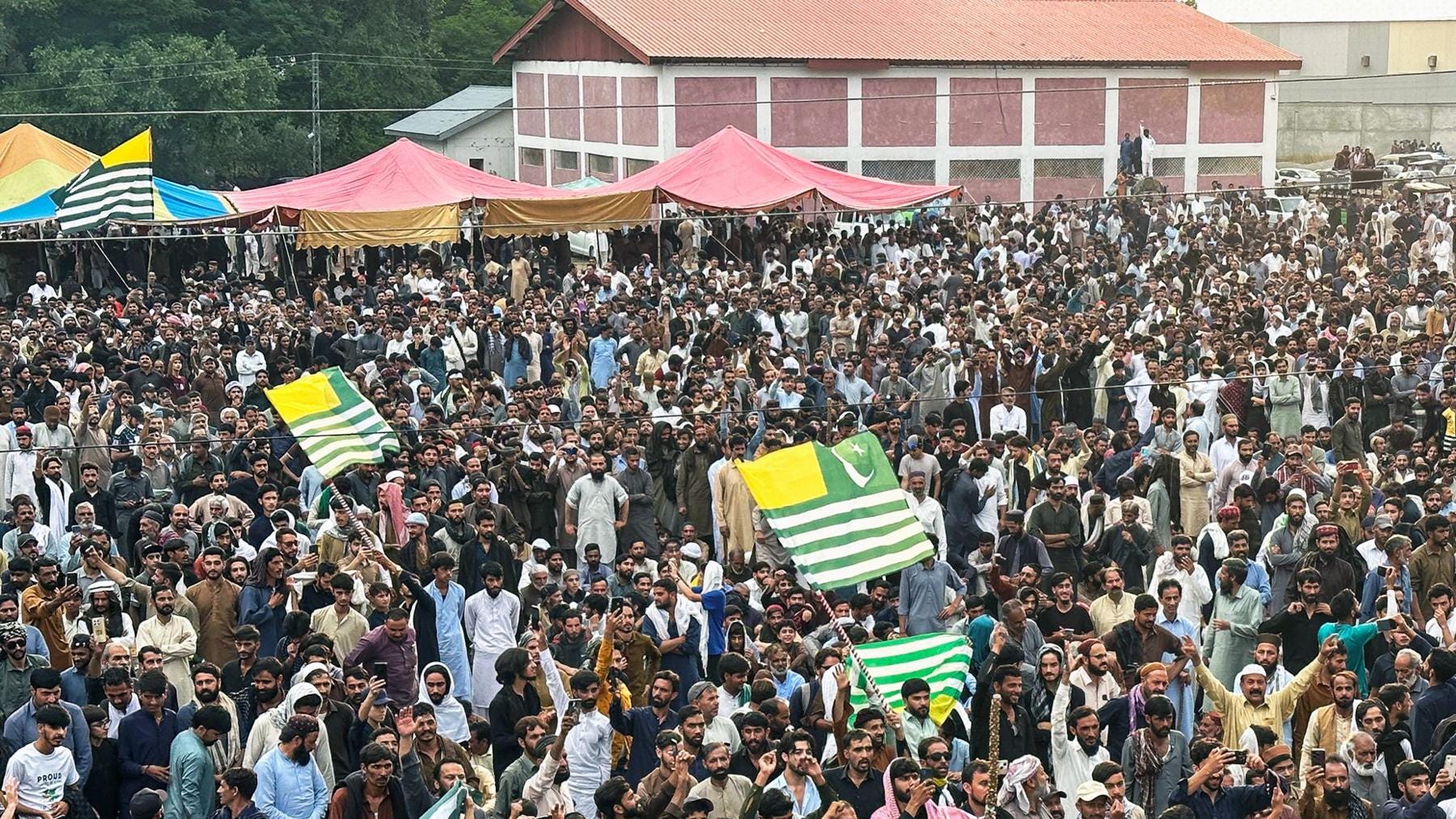
July 2026 was the deadliest month of the year in Pakistan, and the state supplied most of both columns of the ledger. The Pakistan Institute for Conflict and Security Studies counted 606 people killed nationwide during the month, a monthly toll unmatched in more than a decade: 112 security personnel, 74 civilians, 19 members of civilian peace committees, and 401 militants the security forces say they eliminated. In Azad Kashmir, the government banned the civil rights coalition that had spent two months demanding electoral reform, and the defence minister told reporters he now placed its members in the same bracket as India. Pakistan Rangers personnel then shot dead a night school caretaker named Muhammad Nasir Khan in front of his neighbours in a village called Gehl Topi, the first of what a local editor would eventually count as more than a hundred deaths in a single district. In Balochistan, 42 people died in eight days of coordinated attacks on police checkpoints and a dam project meant to end Quetta’s water shortage, and the operation that followed killed dozens more, with the state’s own published toll rising from 42 to 102 to 109 inside a week. Islamabad never acknowledged that the country was in crisis, and yet the finance minister spent the same week in Washington telling the IMF that revenue targets were on track and Pakistan’s reform programme was ahead of schedule.
